
If you run a retail store, a supermarket, a hotel kitchen, or a catering operation in Qatar, you already know this problem: finding a wholesale grocery supplier in Qatar who is actually consistent is harder than it looks.
The market has no shortage of people willing to sell you products. What’s rare is a wholesale grocery supplier in Qatar who shows up on time, maintains product quality from one delivery to the next, handles import documentation correctly, and doesn’t disappear when you have a problem. That combination — reliability plus range plus service — is what separates a long-term supplier relationship from a constant headache.
This article breaks down everything you need to know about working with a wholesale grocery supplier in Qatar: the market context, what to check before signing any supply agreement, how pricing actually works in this sector, and what MST Qatar does differently for retail, HORECA, and bulk wholesale clients across Doha.
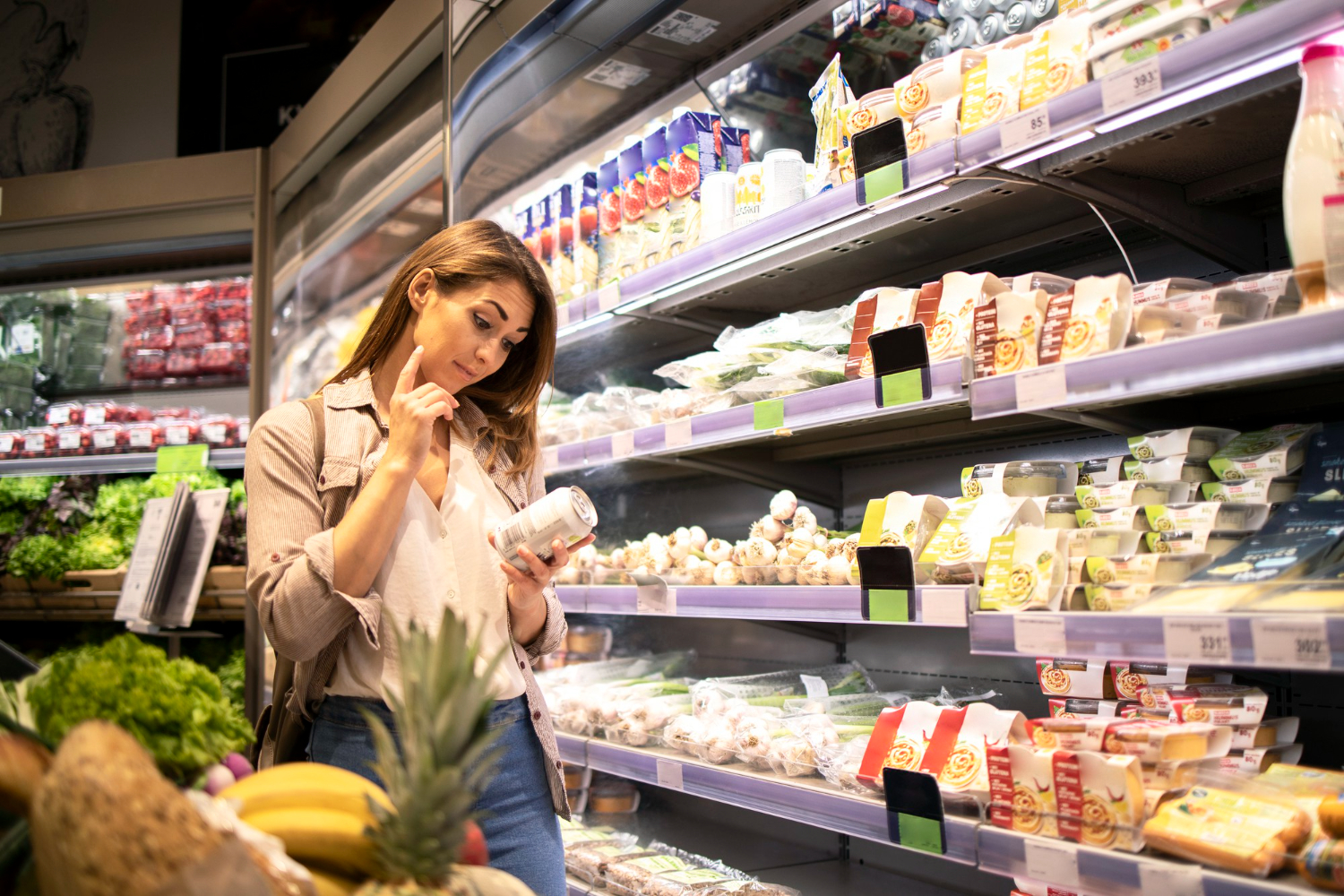
best FMCG company in Qatar
Why Choosing the Right Wholesale Grocery Supplier in Qatar Is a Bigger Decision Than Most Buyers Realize
Qatar imports over 80% of its total food consumption. There is no getting around that number — it shapes everything about how the grocery supply chain works here. Almost every product on a Qatari supermarket shelf came from somewhere else, passed through customs, went into a warehouse, and was moved by a distributor before a customer picked it up.
That dependence on imports means your wholesale grocery supplier in Qatar is not just a vendor. They are part of your supply chain in a way that is hard to replace quickly. If they run out of stock, you run out. If their import documentation gets held up at customs, your shelves sit empty. If their cold chain fails, your frozen products arrive in poor condition — or not at all.
Most buyers figure this out the hard way, usually after they’ve switched suppliers two or three times and lost customers in the process. The question to ask before you sign anything is not “what’s the price per carton?” It’s “what happens when something goes wrong, and how do they handle it?”
The Qatar Grocery Market in 2026
Qatar’s grocery and FMCG market has been growing steadily, with projections from market research firms suggesting a growth rate above 10% through 2027. A few things are driving this:
- The country’s population continues to grow, with a high proportion of expatriates from South Asia, Southeast Asia, the Arab world, and beyond — each community with distinct food preferences and brand loyalties.
- The HORECA sector (hotels, restaurants, catering) has expanded with new hospitality projects and continued tourism from the Gulf and internationally.
- Consumer expectations have shifted. Shoppers in Qatar today expect to find international brands on shelf consistently, not occasionally. The wholesale grocery supplier in Qatar that can maintain those international SKUs is the one that retail and HORECA buyers keep coming back to.
- Health, wellness, and organic food is moving from a niche to a meaningful category. <cite index=”18-1″>Organic products are increasing in popularity throughout Qatar, with health and wellness consumption valued at nearly USD 779 million and growing at a CAGR of 5.4%.</cite> Suppliers who carry bio and organic lines have an edge in premium retail.
What this means practically: the demand for a reliable wholesale grocery supplier in Qatar is not going away. It’s increasing.
The 7 Things to Evaluate Before Committing to a Wholesale Grocery Supplier in Qatar
Not all suppliers are equal. Here are the things that genuinely matter when you’re assessing a wholesale grocery supplier in Qatar — beyond the price list they send you on day one.
1. Product Range and Category Depth
A wholesale grocery supplier in Qatar worth working with carries more than three or four categories. The best suppliers run a full FMCG portfolio: fresh food, frozen, dairy, dry goods (pasta, rice, canned goods, condiments), beverages, snacks, confectionery, cleaning products, and personal care.
Why does this matter? Because buying from six different suppliers to cover your full range means six delivery windows, six invoices, six points of failure, and six relationships to manage. Consolidating your supply through one capable wholesale grocery supplier in Qatar reduces complexity and often gets you better pricing on volume across categories.
MST Qatar’s portfolio covers all these categories, including fresh food, food cupboard staples, frozen goods, beverages, bio and organic products, and cleaning and household items. Clients can typically cover a large proportion of their stock requirements through a single supplier relationship.
2. Import and Regulatory Compliance
This is where a lot of buyers get caught out. Qatar has specific requirements for all imported food products: halal certification, Arabic labeling, shelf life compliance, approved additive lists, and MOPH (Ministry of Public Health) import standards.
A wholesale grocery supplier in Qatar who handles their own importation needs to know these requirements cold. If they don’t — if they’re bringing in products that don’t meet Qatar’s standards — you’ll find out when goods are rejected at customs or refused by retail buyers. That’s an expensive way to discover your supplier cuts corners on compliance.
Every product MST Qatar imports and distributes goes through proper compliance checks before it reaches our clients. Halal certification, labeling standards, and import documentation are handled as standard — not as an afterthought.
3. Cold Chain Infrastructure
For any wholesale grocery supplier in Qatar dealing in dairy, frozen foods, or fresh produce, cold chain is non-negotiable. Ask specifically about:
- Temperature monitoring during transit
- Vehicle specifications (refrigerated vs. ambient)
- Warehouse temperature zones
- What protocols are in place if a refrigeration unit fails
A broken cold chain doesn’t always result in obvious product damage. Sometimes the product looks fine but has been compromised. The risks aren’t worth taking with a supplier who can’t give clear answers on how they manage temperature-sensitive goods.
MST Qatar operates with temperature-controlled logistics for frozen and chilled categories. We have the infrastructure to maintain cold chain from our warehouse facility in Doha’s Industrial Area through to last-mile delivery.
4. Delivery Reliability and Lead Times
Ask any retail buyer in Qatar what their biggest frustration with suppliers is, and delivery reliability comes up almost every time. A wholesale grocery supplier in Qatar who promises three-day lead times and consistently delivers in five or six is not a reliable partner — they’re a source of constant rescheduling and stock gaps.
Before committing, ask for references from current clients and ask those clients specifically about delivery performance. Not “are you happy with the supplier?” but “how often do deliveries arrive on the scheduled date, and what happens when they don’t?”
MST Qatar serves clients across Doha, Al Rayyan, Al Wakrah, Lusail, and other areas of Qatar. Our delivery schedules are built around client operations, not supplier convenience.
5. Pricing Structure and Transparency
Wholesale pricing in Qatar is not always as transparent as buyers assume. Watch for:
- Base pricing that changes significantly after the first order
- Minimum order quantities that aren’t disclosed upfront
- Hidden charges for delivery, documentation, or customs clearance
- Pricing that doesn’t account for seasonal availability of certain products
A good wholesale grocery supplier in Qatar gives you clear pricing, realistic MOQs, and honest communication about price changes when costs shift — rather than surprising you after you’ve already committed to shelf prices.
6. Certifications and Food Safety Standards
ISO certification and HACCP accreditation are the baseline requirements for any serious wholesale grocery supplier in Qatar operating at scale. These aren’t nice-to-have credentials — they’re the minimum standard for supplying major retail chains and five-star hotels, who conduct their own procurement audits.
MST Qatar holds both ISO certification and HACCP food safety accreditation. If a supplier can’t provide evidence of these certifications, think carefully about whether you want them as a supplier for your business.
7. Customer Service and Account Management
The relationship with a wholesale grocery supplier in Qatar doesn’t end at the point of delivery. You’ll need someone who responds quickly to order changes, handles stock queries, and escalates problems efficiently when they occur. Some suppliers have good operations but poor account management — and in practice, that makes them much harder to work with than the price difference justifies.
MST Qatar provides dedicated account support to our clients. We’re reachable, we respond, and we solve problems rather than creating new ones.

Reliable Wholesale Food and Horeca Suppliers in Qatar: Quality Products for Restaurants, Hotels, and Cafés
What MST Qatar Offers as a Wholesale Grocery Supplier in Qatar
MST Qatar — Modern Services & Trading — has been operating in Qatar’s FMCG sector long enough to know what retail buyers, wholesale clients, and HORECA operators actually need from a wholesale grocery supplier in Qatar. Here’s a breakdown of how we work.
Retail Supply
For retail clients — from large hypermarkets like Carrefour, LuLu, Almeera, Monoprix, and Spar, to specialty grocery stores like The Approved Market, The Hub Market, and City Hyper — MST Qatar delivers reliable stock replenishment across our full product range.
We understand how retail buyers think. Shelf availability, promotional pack options, planogram support, and on-time replenishment matter more than anything else. A wholesale grocery supplier in Qatar who can coordinate around retail schedules and promotional calendars is far more valuable than one who just drops pallets at the loading bay and leaves.
Our retail client list includes some of the most recognised grocery and food retail names in Qatar. That track record exists because we’ve consistently delivered what retail buyers need — product on shelf, at the right time, at agreed pricing.
Wholesale Distribution
Wholesale buyers typically purchase in volume and resell to smaller retailers, convenience stores, or food service operators. For this segment, the priorities are different: competitive per-unit pricing, reliable availability across SKUs, and documentation for resale and export where needed.
As a wholesale grocery supplier in Qatar, MST Qatar works with wholesale buyers who need consistent access to our full portfolio — including international brands that are harder to source locally. Our warehouse in Doha’s Industrial Area has the throughput to handle large volume orders with consistent lead times.
Mixed pallet orders, category-specific bulk pricing, and export documentation support are all available for wholesale clients. If you’re buying in volume and need a wholesale grocery supplier in Qatar who can match your scale, contact our sales team for a commercial discussion.
HORECA Supply
Hotels, restaurants, catering companies, and cloud kitchens have requirements that are different from both retail and wholesale. They need food service pack sizes, scheduled delivery windows that work around kitchen operations, and suppliers who understand that a missing ingredient has immediate consequences when there are guests to feed.
MST Qatar supplies HORECA clients across Qatar, including some of the most recognised hospitality names in Doha: Grand Hyatt, Hilton, The Ritz-Carlton, St. Regis, Sheraton, Rixos, Millennium, Concorde, and Dana Hotel. These clients stay with us because we deliver consistently and communicate when issues arise — rather than leaving kitchen managers to find out about stock problems at 6am service prep.
For HORECA operators looking for a wholesale grocery supplier in Qatar with the right product range and the operational discipline to serve professional kitchens, MST Qatar is worth a conversation.
The International Brands MST Qatar Distributes
Part of what makes MST Qatar an effective wholesale grocery supplier in Qatar is the portfolio of international brands we carry. Buyers in retail and HORECA often need specific brands — either because consumers ask for them by name, or because the brand standard is what their kitchen or product range requires.
MST Qatar’s international brand portfolio includes:
Mars Portfolio — M&M’s, Snickers, Twix, Milky Way, and Mars bars. Some of the most recognised confectionery brands in the world, stocked by major retail clients across Qatar.
Ülker — One of Turkey’s largest food manufacturers, producing biscuits, chocolate, wafer products, and cakes. High demand across both retail and HORECA channels in Qatar.
Kahve Dünyası — Premium Turkish coffee and GOFRiK wafer snacks. Strong with specialty grocery and café operators.
Kent — Turkish confectionery with a loyal consumer base across expat communities in Qatar.
Yayla — Turkish canned goods, legumes, and food cupboard staples popular with expat and local households.
Santa Bremor — Quality seafood and fish products from Belarus, covering frozen and processed formats.
Maxim’s — Belgian premium confectionery for retail and gifting channels.
Nutrino Lab — Functional and health-oriented food products for the growing wellness segment.
Beypazarı — Turkish sparkling water and beverage products.
Hicey — Snacking products from an emerging Turkish food brand gaining traction in Gulf markets.
The ability to source international brands through a single wholesale grocery supplier in Qatar reduces procurement complexity and gives buyers leverage in terms of pricing and availability.
How Wholesale Grocery Pricing Works in Qatar — And What Buyers Need to Know
Wholesale grocery pricing in Qatar is influenced by a few factors that aren’t always obvious to buyers new to the market.
Import costs and currency fluctuations — Most products are imported, which means pricing is affected by shipping costs, import duties, and the exchange rate between QAR and the source country’s currency. A product sourced from Turkey, for example, is priced differently depending on the TRY/QAR rate. Good wholesale grocery suppliers in Qatar are transparent about when input costs change and why.
Volume tiers — Most wholesale pricing in Qatar is tiered. The per-unit price drops meaningfully at higher volumes. If you’re a buyer who can commit to volume, negotiate tier pricing upfront rather than starting at the base rate and trying to renegotiate later.
Category pricing differences — Fresh and chilled products typically have tighter margins and more volatile pricing than dry goods and ambient products. Frozen food sits somewhere in between. Understand which categories have stable pricing versus which tend to fluctuate seasonally.
Promotional support — Some wholesale grocery suppliers in Qatar offer promotional pricing support for retailer promotions — co-funded promotional activity or short-term special pricing on specific SKUs. This is worth asking about before you finalise a supply agreement.
At MST Qatar, we’re upfront about pricing, tier structures, and how costs are calculated. We’d rather have a clear commercial relationship from the start than deal with disputes later.
Common Mistakes Buyers Make When Choosing a Wholesale Grocery Supplier in Qatar
After working with retail, wholesale, and HORECA clients across Qatar for years, there are a few patterns we’ve noticed in how buyers evaluate and select a wholesale grocery supplier in Qatar — and several mistakes that come up regularly.
Choosing on price alone. A wholesale grocery supplier in Qatar who quotes 5% lower than the competition but delivers late 40% of the time costs more than the one with competitive pricing and 95% on-time delivery. Total cost of supply is what matters, not the line-item price.
Not checking import compliance. Buyers sometimes discover mid-relationship that their supplier’s products don’t fully meet Qatari regulatory requirements. By that point, they’ve already committed shelf space or menu items to those products. Check compliance credentials before you start — not after.
Skipping the reference check. Every supplier can produce a client list. Fewer buyers actually call those clients and ask specific questions about service quality, problem resolution, and delivery reliability. Ten minutes on the phone with a current client of a wholesale grocery supplier in Qatar will tell you more than any product catalogue.
Ignoring warehouse and logistics capability. A supplier with a small warehouse and no cold chain infrastructure cannot reliably supply chilled and frozen products at scale. Visit the facility if you can. If you can’t, ask for photos and specifics.
Not defining minimum order quantities upfront. Some wholesale grocery suppliers in Qatar have MOQs that work well at a certain scale but become problematic as your order size changes. Understand the MOQ structure before you commit.
Frequently Asked Questions About Wholesale Grocery Supply in Qatar
What is the minimum order for wholesale grocery supply from MST Qatar? Minimum orders vary by product category and whether you’re buying on a retail, wholesale, or HORECA supply basis. Contact our sales team at sales@mstqatar.com for specific terms relevant to your business.
Does MST Qatar supply outside Doha? Yes. We deliver across Qatar including Al Rayyan, Al Wakrah, Lusail, and other areas. Route frequency and lead times vary by location — speak to our sales team for specifics on your area.
Can MST Qatar supply halal-certified products? All food products we import and distribute meet Qatar’s halal certification requirements as standard. We do not supply products that don’t meet Qatari regulatory standards.
Does MST Qatar provide wholesale pricing for bulk orders? Yes. We offer tiered pricing for volume buyers across most product categories. Contact our sales team to discuss pricing based on your typical order volumes.
Is MST Qatar ISO certified? Yes. MST Qatar holds ISO certification and HACCP food safety accreditation. We can provide documentation upon request.
Can MST Qatar help international food brands enter the Qatar market? Yes. We work with brand owners and manufacturers looking to distribute in Qatar, handling import compliance, regulatory requirements, and placement across retail, wholesale, and HORECA channels. Contact us to discuss your brand.
What product categories does MST Qatar cover? Fresh food, frozen food, dairy and chilled products, dry goods and food cupboard staples, beverages, snacks and confectionery, bio and organic products, and cleaning and household items. See our full category range at mstqatar.com/categories.
Getting Started With MST Qatar as Your Wholesale Grocery Supplier in Qatar
If you’re looking for a wholesale grocery supplier in Qatar who covers a broad product range, carries international brands, operates with proper food safety certifications, and delivers reliably to retail, wholesale, and HORECA clients across Doha — we’d like to talk.
The first step is a straightforward conversation about what you need: your product categories, order volumes, delivery requirements, and any specific brands or SKUs that are priorities. From there, we can give you an accurate picture of what working with MST Qatar looks like commercially.
We don’t take on every inquiry. We take on clients where we can actually deliver what they need, and where the relationship makes commercial sense on both sides. If that sounds like the kind of wholesale grocery supplier in Qatar you’re looking for, reach out.
📞 Call or WhatsApp: +974 6000 6481 📧 Email: sales@mstqatar.com 🌐 Website: mstqatar.com 📍 Address: Street 37, Zone 57, No. 136, Industrial Area, Doha, Qatar
Browse Our Full Product Portfolio → Explore Product Categories → Get In Touch →
MST Qatar — Modern Services & Trading | ISO & HACCP Certified | Industrial Area, Doha, Qatar Also read: International Food Brands in Qatar: How MST Qatar Brings Global Tastes to Local Shelves
Get In Touch With Us!
We’re here to help with anything you need. Send the form, and we’ll direct you to the right team.
Follow Us on Social Media!


